
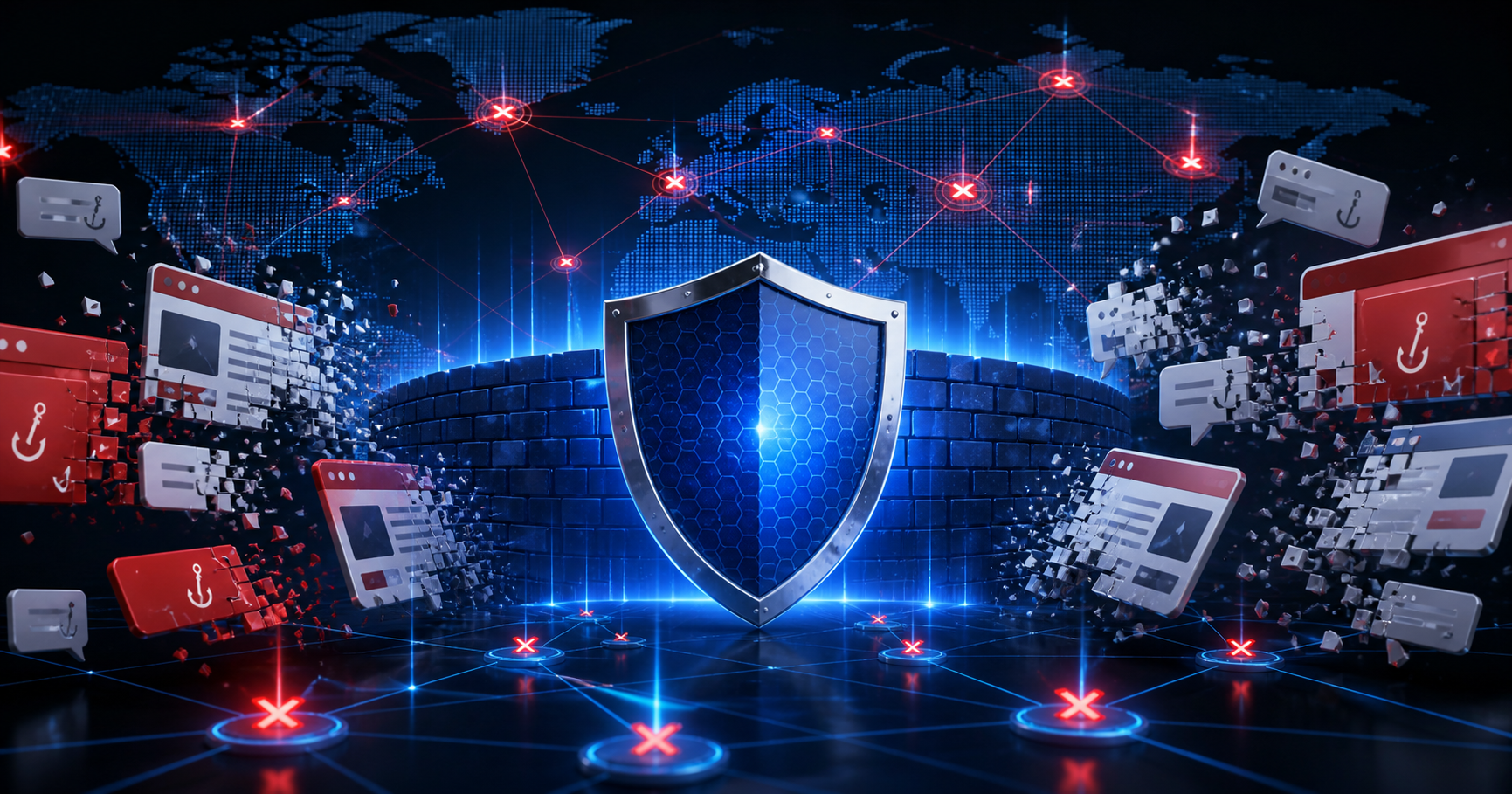
Google's 2026 action against AI-powered smishing infrastructure shows scam texts are becoming organized systems. OTP users need slower, cleaner verification habits.
Smishing is no longer just a random fake delivery text. Google's June 2026 action against the "Outsider Enterprise" showed how organized groups can package fake websites, fraudulent URLs, spam texts, and AI-assisted social engineering into repeatable infrastructure.
That changes the risk for OTP users. A bad text is not always one person improvising. It may be part of a large operation designed to impersonate trusted brands, capture credentials, and push victims toward payment or account recovery mistakes.
Why infrastructure changes the threat
When attackers use kits, they can scale quickly. Fake pages look more realistic. Messages can be adapted to banks, delivery companies, job offers, platform support, or account warnings. AI can help criminals localize messages, improve grammar, and respond faster when victims hesitate.
For users, the safe response is the same: do not trust the link just because the message sounds polished. Open the official app yourself and check from there.
What OTP users should do
Do not open urgent account links from SMS or chat messages.
Never type an OTP into a page reached from a suspicious message.
Use passkeys or app-based MFA when available.
Keep banking and recovery numbers separate from public business numbers.
Report suspicious messages instead of forwarding them to friends or staff.
What businesses should change
Customer communication should be predictable. If a company sends alerts from many sender names, domains, or numbers, customers cannot easily tell what is real. Businesses should publish official support links, reduce unnecessary URL shorteners, and keep marketing messages separate from verification codes.
Support teams should also stop asking users for screenshots that include OTPs, recovery codes, or reset links.
Where BillioPlus fits
BillioPlus helps users receive SMS verification codes online for supported services and non-critical setup flows. It can reduce unnecessary exposure of a personal SIM during testing or privacy-aware onboarding.
For bank, wallet, and primary email recovery, use a long-term number you control and combine it with stronger authentication wherever possible.
Conclusion
AI-powered smishing looks less like spam and more like an industrial process. Users and businesses need slower verification habits, cleaner links, and stronger account recovery paths.
Source: Google's Outsider Enterprise action and Google's June 2026 scams advisory.
Tags
Chinedu Celestine Okpala
BillioPlus Team · Content & Guides