
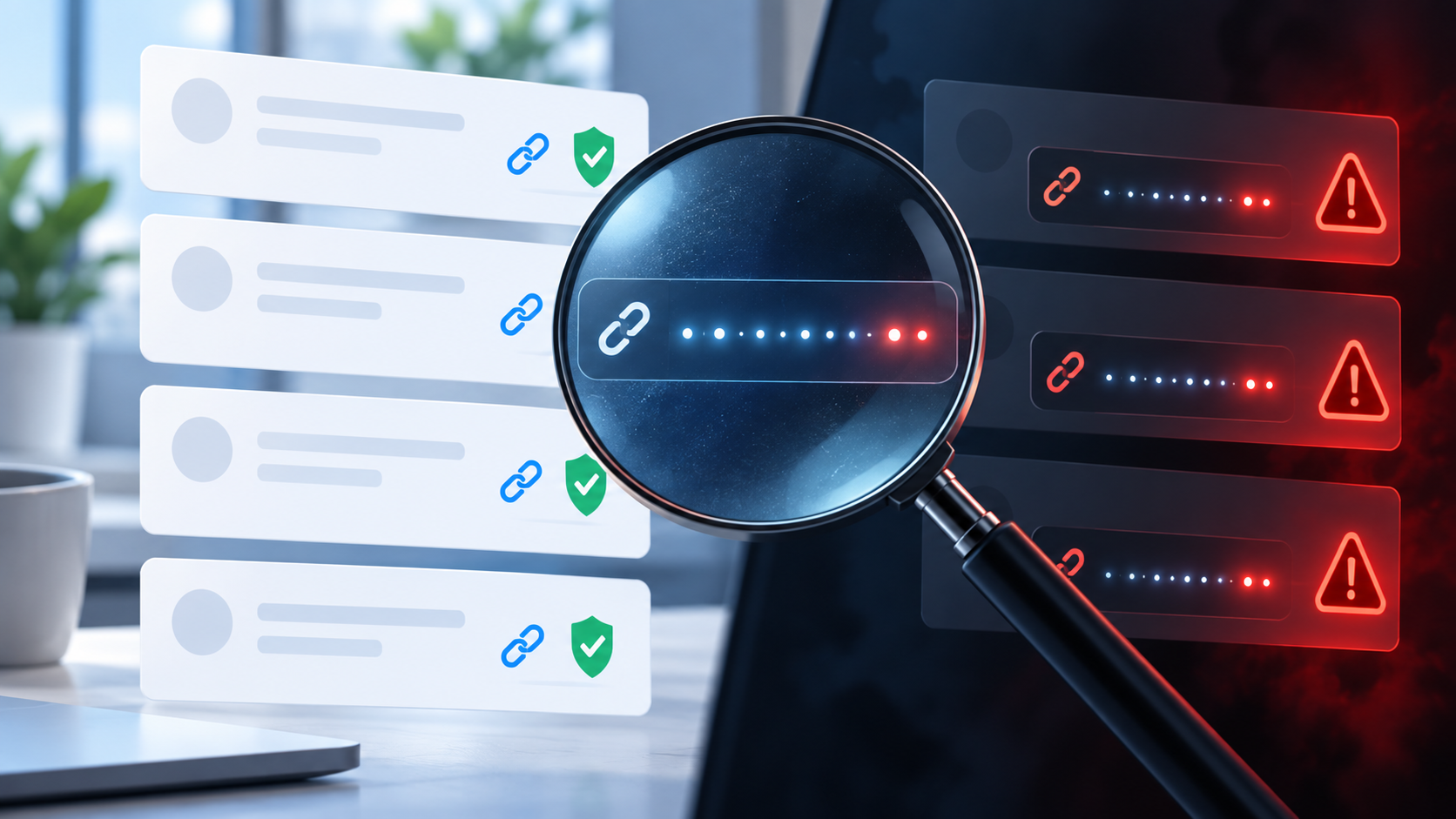
Microsoft’s ASCII-smuggling research shows how invisible characters can make phishing messages look normal while confusing filters and automation.
Microsoft Security Research published findings on September 3, 2026 showing how attackers adapted ASCII smuggling, a technique known from AI prompt-injection research, for high-volume phishing evasion. The campaign used invisible Unicode tag characters to alter how machines processed finance-themed lure words while the message still looked ordinary to people.
This is a useful reminder that “nothing looks suspicious” is no longer a complete test. A message can appear clean to a human reader while its underlying characters confuse keyword rules, regular expressions, or downstream AI tools that ingest raw email text.
Why it matters for verification
Verification flows often start from messages: login alerts, account checks, reset prompts, and support conversations. If attackers can make harmful messages look normal while dodging simple filters, teams need layered controls and users need habits that do not depend on visual trust alone.
BillioPlus checklist
- Open account links from the official site or app instead of trusting message links.
- Normalize or strip invisible Unicode characters before text scanning where possible.
- Treat finance, login, and recovery messages as higher risk when they arrive unexpectedly.
- Be careful when AI assistants summarize or act on untrusted email content.
Source links
Microsoft Security Blog: ASCII smuggling and phishing evasion
Tags
Chinedu Celestine Okpala
BillioPlus Team · Content & Guides