
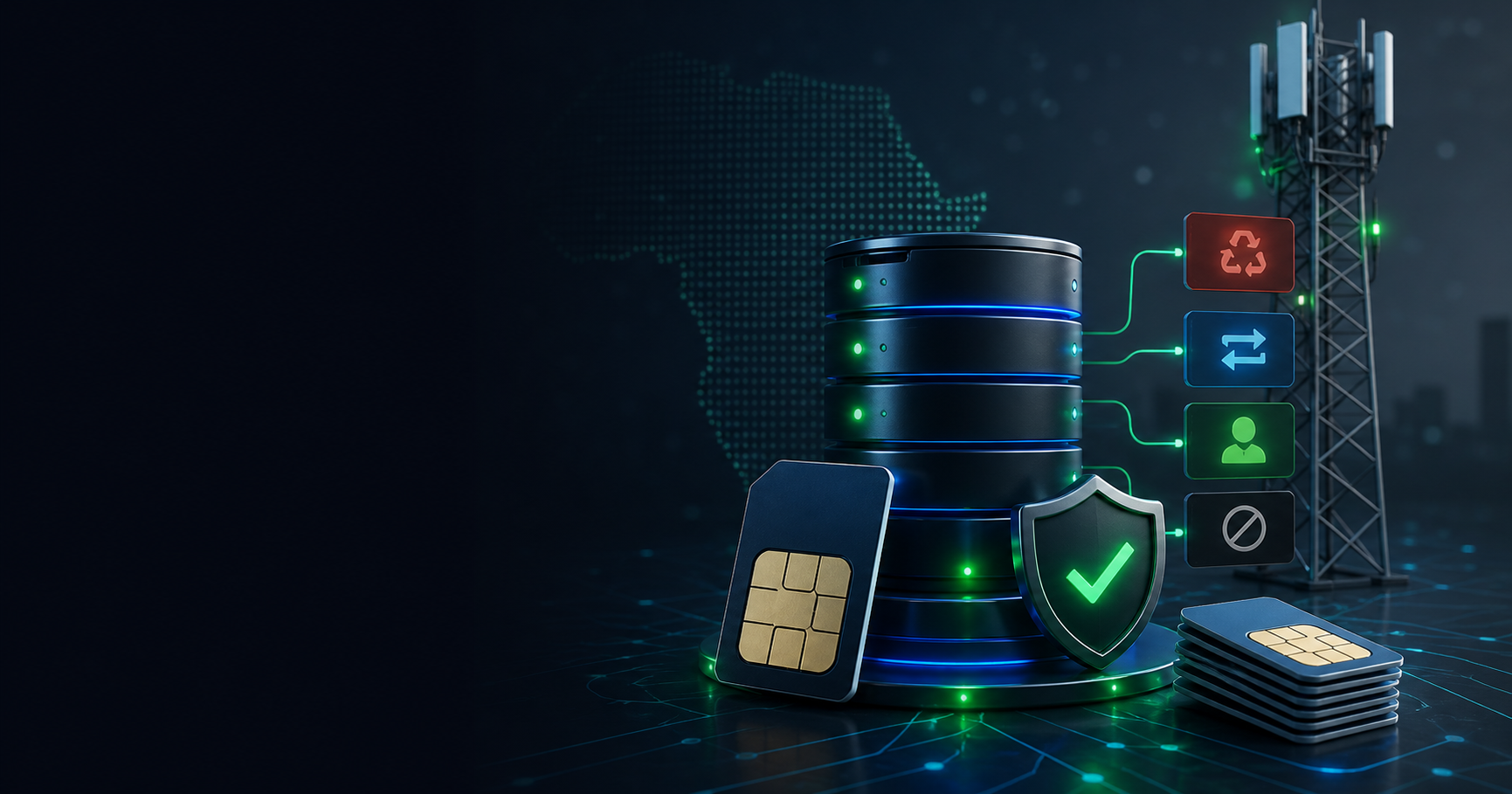
Nigeria’s TIRMS platform gives approved organizations a way to check whether a number is churned, swapped, blacklisted, or normal before sensitive actions.
Nigeria’s telecom identity conversation has moved beyond SIM registration alone. In March 2026, the Nigerian Communications Commission introduced the Telecoms Identity Risk Management System, known as TIRMS, to help reduce fraud linked to recycled, swapped, churned, and barred mobile numbers.
The public TIRMS documentation shows why this matters. Approved service providers such as fintechs and banks can verify phone-number status before onboarding users, resetting accounts, or approving sensitive actions. Telecom operators can also update number statuses such as churned, swapped, blacklisted, or normal.
Why recycled numbers create risk
A mobile number is no longer just a contact detail. It can be connected to bank alerts, BVN/NIN records, email recovery, app logins, WhatsApp accounts, marketplace profiles, and delivery notifications. When a dormant number is recycled to a new person, old messages may still arrive. In worse cases, fraudsters may exploit number reassignment or SIM swap events to attack accounts.
That is why phone-number status is becoming a risk signal. A system that can identify recent churn, swap, blacklist, or reassignment events gives businesses a better chance to stop fraud before it becomes a customer loss.
What businesses should learn from TIRMS
If your product depends on phone numbers, you should not treat every number as equally safe at every moment. A number that was recently swapped or recycled may need extra checks before it can be trusted for account recovery, payment authorization, password reset, or device migration.
For Nigerian fintechs, marketplaces, and platforms, this pushes verification toward a more mature model: combine SMS OTP with phone-status checks, device history, customer identity data, and behavior monitoring.
Practical takeaways
- Do not rely on phone-number possession alone for high-risk actions.
- Add extra checks when a user changes devices or recovery details.
- Watch local telecom and banking guidance around recycled numbers.
- Educate customers that old phone numbers should be removed from important accounts.
- Use virtual numbers only for legitimate verification and testing workflows.
Where BillioPlus fits
BillioPlus operates in the same phone-verification ecosystem. As regulators and telecom providers improve identity-risk signals, users and developers should treat virtual numbers responsibly and design account flows that protect both privacy and security.
Sources
Tags
Chinedu Celestine Okpala
BillioPlus Team · Content & Guides