
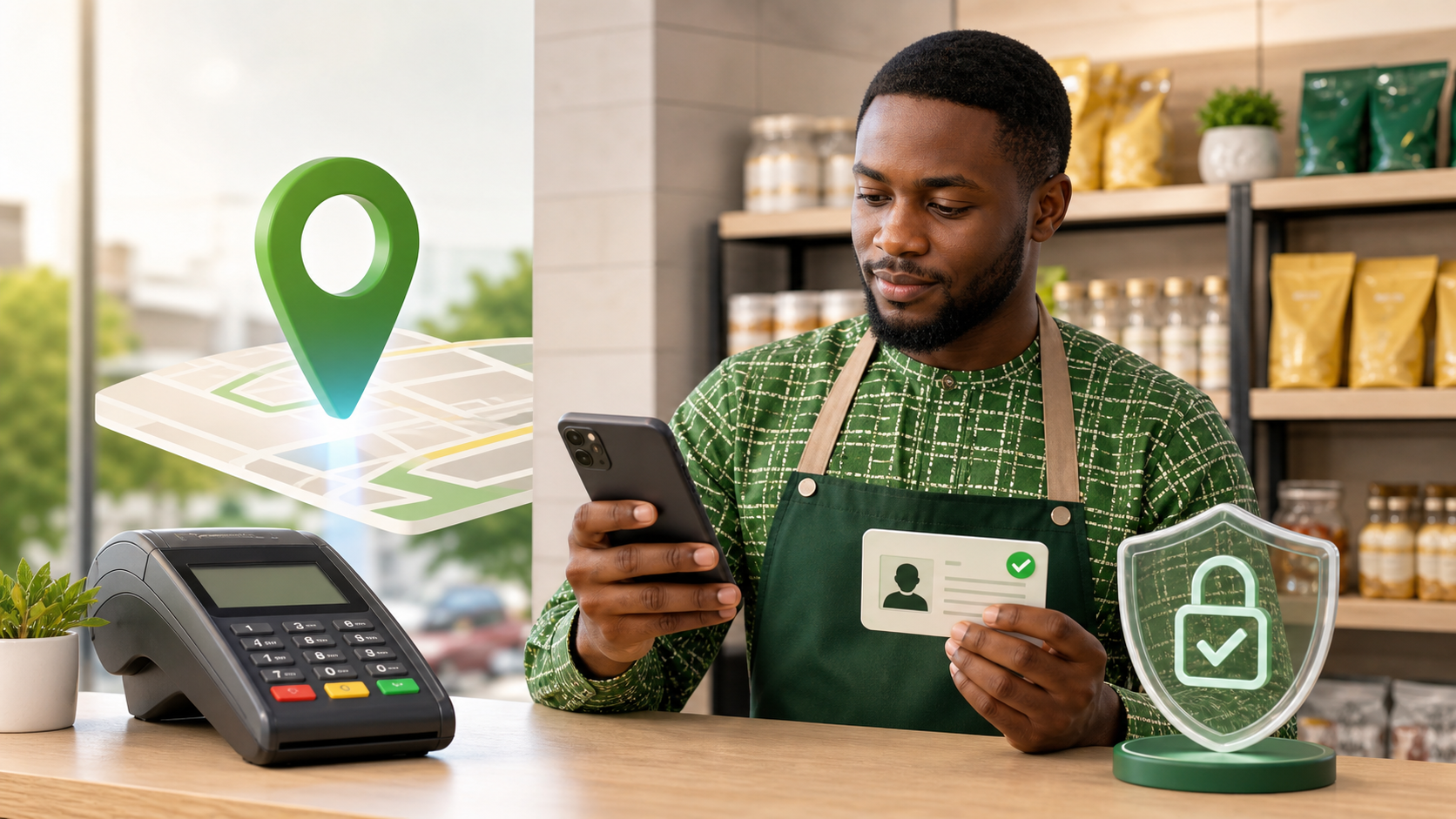
PoS agents and merchants need cleaner phone verification, location records, and fraud controls as KYC expectations rise across Nigerian payments.
PoS agents and small merchants are now part of Nigeria's everyday payment system. Customers use them for withdrawals, transfers, deposits, bill payments, and quick cash access. As usage grows, KYC and fraud controls become more important.
Phone verification is one of the simplest places to improve. A merchant number should be current, controlled by the business owner, and separated from risky personal or temporary use.
Why merchant phone verification matters
A phone number can connect a merchant profile, support channel, payment notification, settlement alert, and recovery flow. If the number is wrong, shared carelessly, or tied to the wrong person, the business can run into operational problems.
For PoS agents, this can affect:
Terminal onboarding
Support tickets
Fraud investigations
Settlement notifications
Account recovery
Customer complaint handling
Clean phone records reduce confusion
Merchants should know which number is used for public customer contact, which number receives business alerts, and which number is tied to account recovery.
When everything is mixed together, staff may see private OTPs, customers may call a recovery line, and important alerts may be buried under ordinary messages.
Location and identity checks need discipline
Stronger merchant controls often involve more than a phone number. Business owners may need accurate location details, current identity records, and consistent support information.
Good records make it easier to resolve issues when a terminal is moved, a staff member leaves, or a suspicious transaction needs review.
Where virtual numbers fit
Virtual numbers should not replace official long-term merchant records where permanent recovery is required. But they can help with supported verification tests, app onboarding checks, and privacy-sensitive setup flows.
BillioPlus helps users receive OTP codes online through virtual numbers for supported services. For developers, fintech operators, and merchants testing tools, this can reduce the need to expose a main SIM during every setup step.
Practical steps for merchants
Keep business contact numbers current.
Do not share recovery OTPs with staff or callers.
Separate public customer support from private account recovery.
Review which phone number is attached to each payment tool.
Use temporary verification only where long-term recovery is not required.
Conclusion
PoS KYC pressure is not only about documents. It is also about clean phone verification, accurate records, and safer recovery. Nigerian merchants that organize their numbers early will have fewer problems when payment controls become stricter.
Tags
Chinedu Celestine Okpala
BillioPlus Team · Content & Guides