
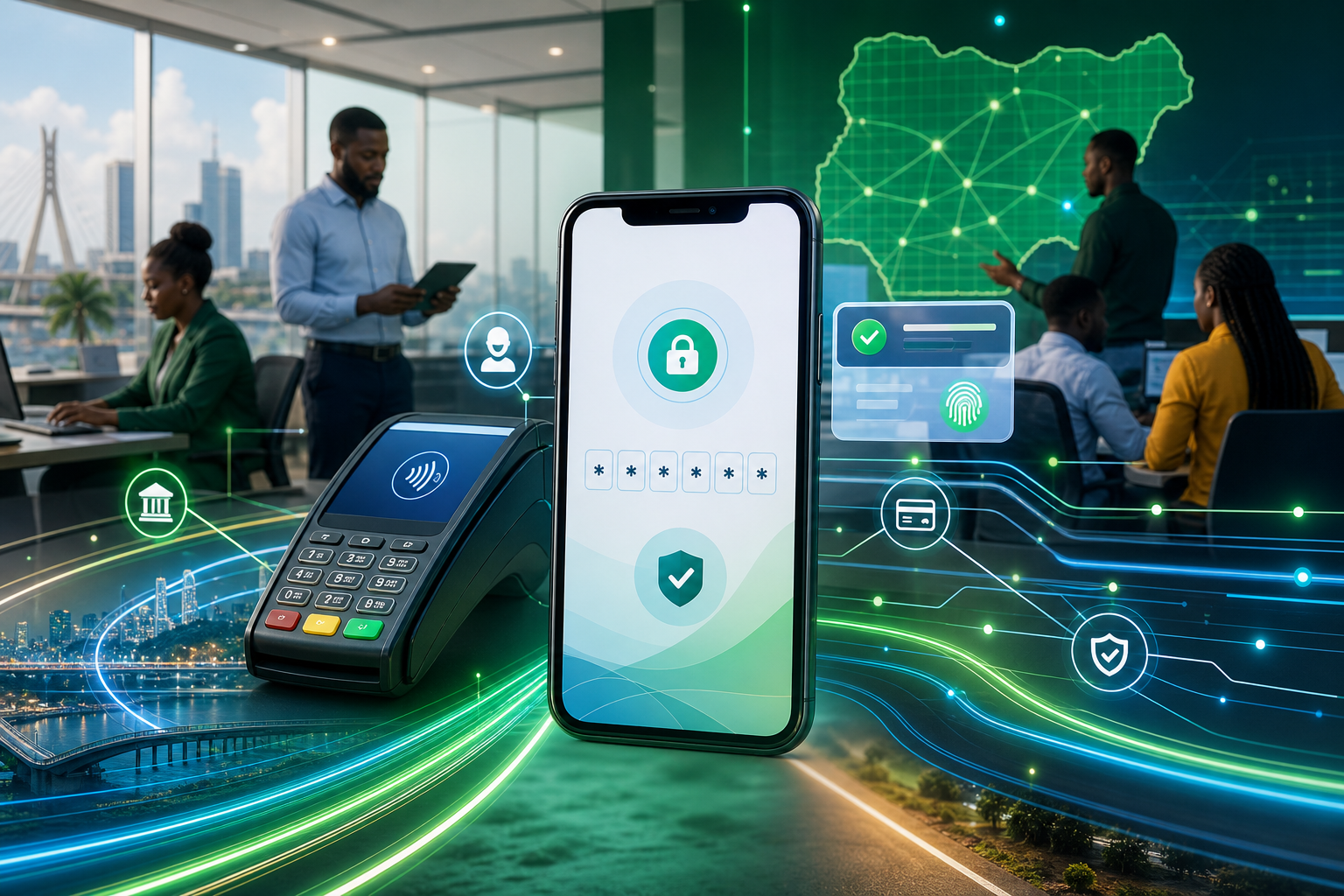
Nigeria's PSV 2028 payment roadmap puts security, trust, interoperability, and inclusion at the center. Phone verification now needs to be treated as payment infrastructure.
Nigeria's payment industry is moving into a more security-conscious phase. The Central Bank of Nigeria launched Payments System Vision 2028 on June 1, 2026, with security, trust, interoperability, inclusion, innovation, and collaboration as guiding principles.
For everyday users, founders, developers, agents, and online sellers, this is not only a banking story. It is also a phone verification story. Most payment accounts still depend on a phone number for onboarding, alerts, customer support, OTP recovery, device changes, and fraud review.
Why phone verification is now infrastructure
A phone number often sits between a user and their money. If that number is stale, exposed, shared by staff, or tied to the wrong device, the account becomes harder to protect and harder to recover.
Payment systems need reliable identity signals. A clean verification number helps platforms confirm the user, route alerts, manage risk, and respond quickly when something looks wrong.
What businesses should audit
Small businesses should not wait until a dispute or account lockout happens before organizing their numbers. A basic phone-verification audit should cover:
Which number receives OTPs for each payment tool.
Which number customers see on invoices, receipts, and support pages.
Which staff members can access business SMS alerts.
Whether old SIMs are still attached to critical accounts.
Whether recovery codes and backup contacts are stored safely.
Where virtual numbers fit
Virtual numbers are useful for supported app verification, QA testing, onboarding checks, and privacy-sensitive account setup. They reduce the need to expose a main SIM in every online flow.
They should not be used carelessly as the only long-term recovery line for banking, payroll, regulated wallets, or accounts where permanent number ownership is required.
BillioPlus helps users receive OTP codes online through virtual numbers for supported services. Used properly, that gives builders and business users more control over verification without mixing every test, signup, and recovery flow into one personal SIM.
Practical checklist
Use one trusted number for permanent financial recovery.
Use separate numbers for testing, campaigns, and temporary onboarding.
Remove old numbers from apps you no longer use.
Never share OTPs with callers, buyers, delivery agents, or support impersonators.
Document who controls each business number.
Conclusion
PSV 2028 points Nigeria toward a more connected, trusted payment system. Phone verification will be part of that foundation. The businesses that treat numbers, OTPs, and recovery paths as real infrastructure will be better prepared for stricter payment security.
Tags
Chinedu Celestine Okpala
BillioPlus Team · Content & Guides